Featured Articles
- The DIY Uprising: How Home Tool Customization is Shaping Personal Identity and Community Connections
- The Power of DIY: How Vintage Tools Are Making a Comeback in Modern Home Renovations
- The Rise of Eco-friendly Home Tools: Sustainable Solutions for Modern DIYers
- The Rise of Eco-Friendly Tools: Unconventional Gadgets for Sustainable Home Renovation
- The Rise of Smart Hand Tools: Are They Revolutionizing DIY or Just a Trendy Gimmick?
Unconventional Home Tools: The Rise of DIY Robotics for Smarter Household Chores
Unconventional Home Tools: The Rise of DIY Robotics for Smarter Household Chores
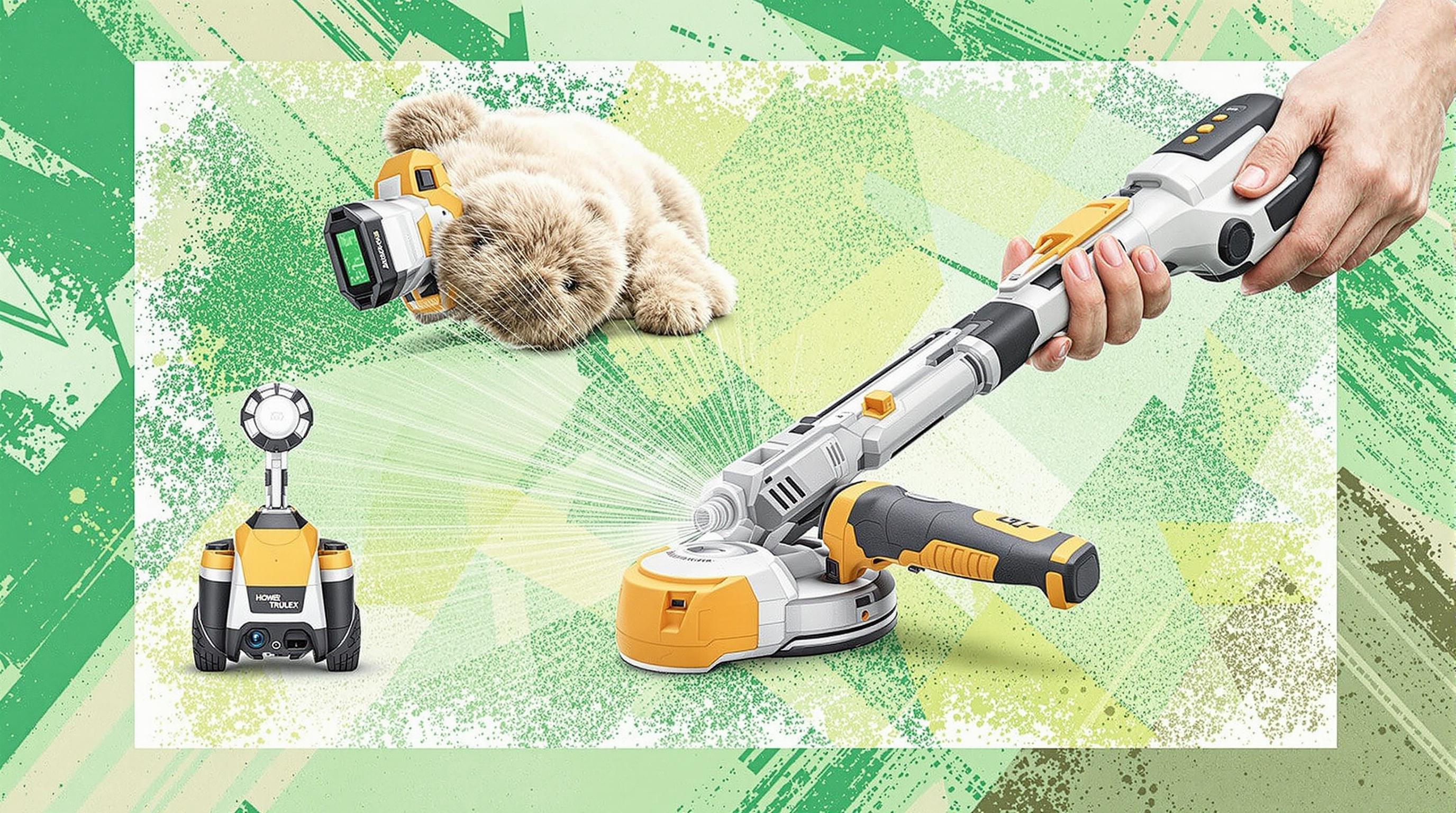
In a world where technology is seamlessly integrated into our lives, DIY robotics is transforming how we tackle household chores. This article explores the rise of unconventional home tools, highlighting innovative robots that empower homeowners to optimize their chores while having fun in the process.
The Rise of DIY Robotics: A New Era in Home Management
Imagine a world where household chores are not a drudgery but an opportunity for creativity and innovation. DIY robotics is not just a trend; it’s becoming a revolution in how we view and perform everyday tasks. From vacuuming to lawn mowing, thousands of DIY enthusiasts are now engineering bespoke robots designed to meet personal preferences and household needs. According to a report from Statista, the global home robot market was valued at approximately $6.7 billion in 2022, and it’s anticipated to reach over $18 billion by 2030—a clear indication that the demand for smarter, automated home tools is on the rise.
Meet the Makers: Profiles in DIY Robotics
One inspiring figure in the DIY robotics movement is a 26-year-old engineer from Austin, Texas, Emily Roberts, who turned her passion for robotics into a viable business. After spending her weekends building robotic vacuum prototypes in her garage, she launched “RobotiClean,” a company that manufactures customizable vacuum robots. “People want more than just a product; they want a personalized experience,” she explains. “I create robots that understand individual cleaning habits and preferences.” Her journey underscores how DIY robotics is not just about convenience but also about personalization and satisfaction—exactly what consumers are seeking in a saturated market.
Rising Trends: What Are People Building?
Across the globe, DIY robotics kits are empowering people to construct their own machines. Websites like Instructables and DIY.org boast thousands of tutorials for homemade robotic assistants. Some of the most popular DIY projects include:
- Autonomous Vacuum Cleaners: Just like Emily’s RobotiClean, hobbyists are using microcontrollers like Arduino to design vacuums that can be programmed for specific cleaning patterns.
- Lawn Mowing Robots: Using Raspberry Pi, makers are constructing robots that trim grass on a schedule. These machines can be designed to avoid obstacles and learn the best path.
- Smart Garden Robots: Gadgets that can water plants based on soil moisture levels or detect pests using AI algorithms are popping up in DIY communities.
You might be wondering, “Is it really worth the effort?” In fact, 68% of people who have tried DIY home projects reported increased satisfaction and connectedness with their living environments (source: Home Projects Magazine). Plus, creating your own tools adds a level of customization that commercial robots often lack.
A Touch of Humor: The Trials and Tribulations of a DIYer
Of course, the DIY path isn’t always smooth sailing. One humorous story comes from a 42-year-old father of three, who, during a weekend project, accidentally programmed his lawn-mowing robot to only chase his dog instead of cutting the grass. “I thought I was crafting a glorious beast of a mower,” he recalls, “but all it did was play tag with the family pet for three hours!” It’s these quirky stories that remind us that the journey of DIY robotics is as engaging as the final product—and often more entertaining.
From Hobby to Industry: Commercial Prospects of DIY Robotics
It’s not just individual DIY enthusiasts who are experiencing this robotic renaissance. As the popularity of home robots grows, many burgeoning companies are shifting their business models toward customizable robotic solutions. For instance, “CustomBot Solutions,” founded by a group of college friends, offers modular robotics kits, allowing users to mix and match parts to create the perfect household assistant. “Our customers appreciate being part of the creation process,” one co-founder said. “It’s about merging technology with craftsmanship.” Recent statistics show that 60% of consumers are more likely to purchase customizable automated products (source: The Robotics Industry Association).
Steps to Building Your Own DIY Robot
Thinking about jumping into the DIY robotics world? Here’s a simple step-by-step guide to get you started:
- Identify Your Need: Determine what household task you want to automate. Be specific; choose something like "dusting the shelves” instead of just “cleaning."
- Research Kits: Look for robotics kits available online. Many platforms offer beginner-friendly options that include all the necessary components.
- Gather Materials: In addition to the kit, you might require a few extra materials such as screws, wires, or sensors.
- Follow Tutorials: Websites like YouTube and Instructables are treasure troves of information. Find a project that aligns with your goals.
- Test and Tweak: Once assembled, your robot may need adjustments. This is the fun part—don’t hesitate to tweak the mechanisms until it meets your expectations!
The Psychology of Robotics in the Home
Why are we gravitating toward robotic assistance in our households? According to a study by the Pew Research Center, 70% of Americans believe that robots will significantly improve their quality of life within the next decade. But it goes beyond mere convenience; there is a connection between the “intimacy” of technology and our emotional well-being. Imagine having an appliance that not only works for you but can also learn your habits and adapt its efficiency accordingly. This concept of evolving technology promises to transform homes into more responsive and nurturing environments.
Facing the Challenges: Navigating Technical Hurdles
Despite the motivating allure of DIY robotics, challenges abound. Technical setbacks are common, especially for beginners who may grapple with coding or hardware incompatibilities. A common sentiment in forums like Reddit’s r/robotics is the struggle to troubleshoot ongoing issues. “I once spent an entire week attempting to sync my robot’s Wi-Fi and failed miserably,” shared one user. “I had to bribe my kids for technical support—goodbye peace and quiet!” However, with persistent problem-solving and the help of online communities, most DIYers emerge more skilled and wise after overcoming such hurdles.
The Future of DIY Robotics: What Lies Ahead?
As we look toward the future, where will DIY robotics take us? Emerging technologies such as machine learning and AI are hinting at a world filled with increasingly capable home robots. They’ll not only clean but also anticipate needs, conduct inspections, and maintain home security. According to a study by McKinsey, automation could lift productivity by up to 1.4% annually in the U.S. alone. That’s a tremendous impact!
A Call to Action: Join the DIY Revolution
If you’ve ever lamented over chores or dreamt about labor-saving devices, now is the time to get involved! The DIY robotics movement offers endless possibilities to innovate your living environment while developing valuable skills. Whether you’re a tech-savvy teen eager to build your first robot or a retiree looking for fulfilling hobbies, there’s something for everyone in this exciting intersection of creativity and technology. So roll up those sleeves, dive into the materials, and join a community that’s reshaping the future of our households—one robot at a time!
In Conclusion: The Unconventional Home Tools of Tomorrow
DIY robotics are leading us into a more efficient, personalized, and often entertaining era of home management. While challenges lie ahead, the rewards of creating something unique fuel passions, connect communities, and enhance our homes. The unconventional approach to household tools isn’t just about automation; it's also about creativity, intelligence, and the joy that comes from making chores a little less mundane. So go ahead, embrace the revolution—and who knows? Your next robotic creation just might change the way future generations view “housework.”
Related Articles