Featured Articles
- 9 Innovative Home Customizations That Boost Energy Efficiency and Slash Utility Bills
- "From Functional to Fabulous: The Rise of Multi-Sensory Home Customizations for Enhanced Living Experiences"
- The Rise of Biophilic Design: Bringing the Outdoors In with Unexpected Home Customizations
- The Rise of Biophilic Design: Transforming Homes with Nature-Inspired Customizations for Wellness
- Transforming Ordinary Spaces: The Rise of Biophilic Design in Home Customization Trends
Transforming Ordinary Spaces: The Rise of Biophilic Design in Home Customization Trends
Transforming Ordinary Spaces: The Rise of Biophilic Design in Home Customization Trends
In a world where city living and technology dominate our lives, biophilic design is revolutionizing home customization trends by incorporating nature into our everyday environments. This article explores the rise of biophilic design, its effectiveness in enhancing well-being, and practical tips for transforming ordinary spaces into vibrant havens.
What is Biophilic Design?
Imagine a world where your home not only shelters you but also nurtures your spirit—where sunlight floods through oversized windows, eclectic plants beckon from every corner, and the sound of trickling water creates a soothing backdrop. This is the essence of biophilic design, a movement rooted in our inherent affinity for nature. The term "biophilia" was popularized by biologist Edward O. Wilson in the 1980s, who posited that humans have an instinctive connection to the natural world.
The Psychological Impact of Nature
Research indicates that exposure to nature can lead to a plethora of psychological benefits. According to a 2015 study published in the journal "Health & Place," people living near green spaces reported lower levels of stress and higher overall life satisfaction compared to those surrounded by concrete and steel. This phenomenon is partly due to nature's ability to lower cortisol levels, our body's primary stress hormone.
A Case Study: The Urban Jungle
Take the case of a mid-sized city apartment that was transformed into a veritable urban jungle. Young professionals, Emma and Lucas, were struggling with the monotony of city living. After learning about biophilic design, they revitalized their cramped one-bedroom by incorporating various plants, a small indoor waterfall feature, and earthy textures in their furnishings. They reported feeling more relaxed and creative in their space, showcasing how impactful simple changes can be. Their story is just one among many illustrating that even small spaces can blossom into immersive natural environments.
From Concepts to Reality
So, how can you bring biophilic design into your home? Here are some practical tips:
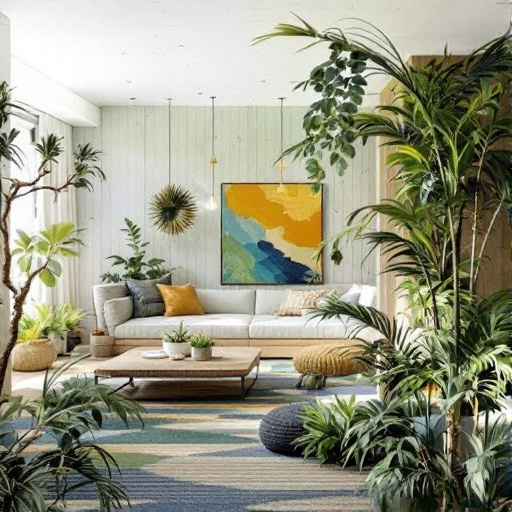
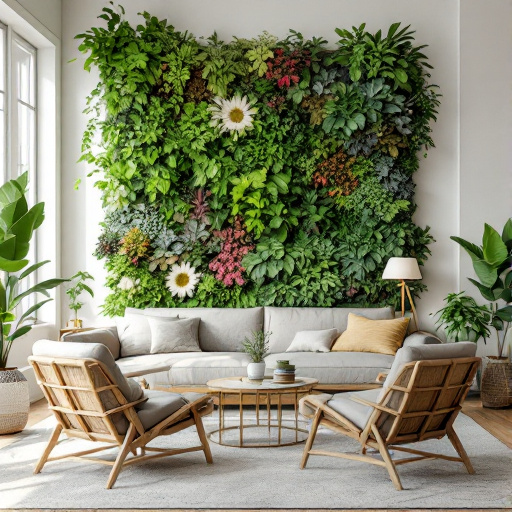
- Bring the Outdoors In: Use plants creatively; consider hanging plants, indoor trees, or a vertical garden. Not only do they purify the air, but they also create a serene environment.
- Natural Light: Maximize natural light with large windows or skylights. If you can’t alter the structure, use mirrors to reflect light better throughout the space.
- Earthy Colors and Textures: Incorporate colors inspired by nature—think greens, browns, and blues. Use natural materials like wood, stone, and cotton to create a tactile experience that connects you to the earth.
- Water Elements: Integrate water features, whether it's a wall fountain or a koi pond, to instill tranquility.
Historical Roots of Biophilic Design
Interestingly, the principles of biophilic design are not entirely new. Historical architecture, from ancient temples to colonial homes, often featured natural elements, showcasing a longstanding respect for nature. Gardens, courtyards, and open-air spaces have played a vital role in enhancing living conditions well before the term "biophilic design" was coined.
Implementing Biophilic Design on a Budget
Worried that transforming your home into a nature-inspired retreat will cost a fortune? Fear not! Biophilic design does not have to break the bank. Get creative with DIY projects. Try reupholstering old furniture with natural fabrics or creating your own art inspired by the shapes and colors of local flora. Even a simple coat of paint in calming earth tones can expedite the transformation. And let’s not forget about thrift stores or community swaps filled with hidden gems waiting to be revitalized!
The Science Behind Biophilic Design
Today’s discourse around biophilic design is heavily supported by scientific research. Studies show that even brief exposure to nature can result in improved concentration and cognitive function, with one fascinating 2018 study indicating that green spaces and natural views can lead to a 15% increase in creativity. The same study found that employees in biophilic-designed offices were 30% more productive! These statistics showcase just how critical nature is, not just for recreation, but for our professional lives too.
Conversations with Experts
To gain more perspective, I spoke with Rachel Long, a biophilic design consultant. She shared, “The goal of biophilic design is to create more civilized, healthier living and working environments. The design shouldn’t feel forced; it should evoke a sense of peace and belongness.” This perspective underscores that the effectiveness of biophilic design lies in its seamless integration into daily life.
Modern Applications in Architecture
Globally, architects and designers are embracing biophilic principles. For example, the Bosco Verticale in Milan is a striking example of a residential complex that embodies biophilic thinking, featuring over 9,000 trees and 20,000 plants on its balconies. This sustainable design not only beautifies the urban landscape but also diminishes air pollution by absorbing CO2. The success of such projects is paving the way for a new architectural aesthetic where nature and buildings coexist harmoniously.
Personal Anecdotes: A Mother's Garden
When I think of biophilic design, I can't help but reminisce about my mother’s garden. During my teenage years, the vibrant colors of her roses and the tranquility of the lavender immediately captivated my attention. Every summer afternoon spent surrounded by blossoming flowers and chirping birds shaped my appreciation for nature. This personal account reflects how biophilic design not only enhances spaces but also creates memories and connections.
The Future of Home Customization
Looking ahead, biophilic design is set to influence home customization trends increasingly. As cities continue to grow and urban living becomes more prevalent, the need for green, calming spaces will only rise. Homeowners are likely to seek innovative ways to incorporate nature into their interiors, leading to unique, custom-designed environments that reflect their lifestyles and values.
Bringing Creativity into Your Space
More than aesthetics, biophilic design encourages creativity. So, how can you infuse your own personality into naturally-inspired spaces? You might paint a mural of a tranquil forest scene, or perhaps write poetry inspired by nature’s beauty and frame it on your wall. Customization is about expressing who you are and what resonates with you, allowing nature to guide your inspirations.
The Call to Action
As we grapple with the stresses of modern life, designing our homes with nature in mind is not just advantageous; it’s essential. It’s a call to embrace biophilic design as a pathway to create environments that nurture our well-being, and transform those ordinary spaces into extraordinary sanctuaries. Let’s step away from the confines of four walls and invite the world outside to blend seamlessly with our interiors.
Conclusion: A Life Well-Lived Amid Nature
In conclusion, the rise of biophilic design in home customization signifies a profound shift in how we perceive our living spaces. By embracing our innate connection to nature, we can cultivate environments that are visually stunning, emotionally uplifting, and profoundly enriching. The message is clear: our homes should be more than mere structures; they should heal and inspire us in ways we never thought possible.
Whether you're a millennial seeking to personalize your first apartment or a retiree looking to redesign a home for your twilight years, biophilic design offers a myriad of possibilities. Let’s embrace this exciting trend and transform our spaces into extensions of the natural world that not only shelter but nourish our souls. Because, after all, life is better when it's blooming.
Related Articles