Featured Articles
- 12 Essential Home Repair Hacks for Boosting Property Value Without Major Renovations
- "Fixing More Than Just Walls: The Rise of DIY Mental Wellness Through Home Repair Projects"
- "Fixing the Unfixable: Embracing Upcycling in Home Repair for Eco-Friendly Living"
- Reinventing DIY: How TikTok Trends Are Shaping the Future of Home Repair and Renovation Culture
- "Repairing the Unseen: DIY Solutions for Weird Home Repair Problems You've Never Considered"
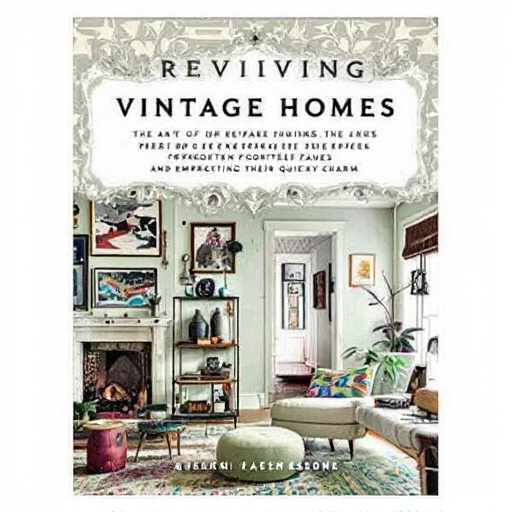
Reviving Vintage Homes: The Art of Repairing Forgotten Features and Embracing Their Quirky Charm
Reviving Vintage Homes: The Art of Repairing Forgotten Features and Embracing Their Quirky Charm
Reviving vintage homes is not just a renovation project – it’s a heartfelt journey that celebrates architectural history while embracing the charm of bygone eras. In this article, we’ll explore the art of repairing forgotten features, share inspirational stories, highlight quirky elements, and unveil tips on how to breathe life back into these extraordinary spaces.
The Allure of Vintage Homes
There's a certain magic about vintage homes. Perhaps it's the handcrafted woodwork, the intricate moldings, or the warm patina of aged doors that whisper stories of the past. A study by the National Trust for Historic Preservation indicates that around 70% of homebuyers express a preference for historic homes over newer constructions, mainly due to their unique character and craftsmanship.
Why Vintage Homes Matter
Vintage homes offer more than just aesthetic appeal; they are a testament to craftsmanship and design principles of their time. For instance, the average house built in the 1920s utilized materials and techniques that not only enhance durability but also represent local history. The difference in construction methods leads to a unique living experience that many find comforting.
Getting Started: Assessing the Home
Before one embarks on a renovation adventure, it’s crucial to assess the condition of the home. Take a stroll through your abode and jot down what you love and what needs fixing. Is it the creaky floorboards that need refinishing? Or maybe the vintage windows could use a good reglazing? Tip: When assessing, don’t rush; let the house reveal its secrets to you.
Quirky Charm: Embrace Imperfections
One of the most delightful aspects of vintage homes is their quirky charm. Those slightly slanted floors? They tell a story of settled earth beneath your feet. Instead of viewing imperfections as obstacles, consider them unique attributes that add character. In a 2019 survey by the American Institute of Architects, 85% of homeowners reported that they would rather spend money on repairing vintage features than modernizing them.
Storytime: A Tale of Revival
Let’s delve into a case study – the revival of The Green House, a 1890 Victorian nestled in the heart of New England. The owners found it abandoned, shrouded in mystery and a tangle of ivy, yet they saw potential where others saw despair. Hours spent scraping old paint revealed vibrant hues beneath layers of neglect. Each chipped tile they restored uncovered a piece of history that ultimately connected generations—achievements that sang with nostalgia and reminded them that home is indeed where the heart is.
The owners repurposed the original fireplaces into focal points for living spaces, mixing modern furniture with vintage styling. The breathtaking transformation instilled a sense of pride not just in the owners but also within the community as they hosted open houses to share the history with others.
Restoring Found Treasures
When it comes to vintage homes, everything from doorknobs to crown moldings can be treasures waiting to be restored. Instead of replacing these items, think about repair methods. Old hardware like brass doorknobs can often be polished back to life, while weathered doors may just need a fresh coat of paint. Services like antiques trade gazette report a growing trend in the market for restoration instead of replacement.
Statistics Show a Shift in Attitude
Statistics show that the restoration of vintage homes is not just a trend but a sustainable approach. A report from the International Society of City and Regional Planners states that renovating old buildings creates 50% less waste compared to new construction. Therefore, every bang of the hammer can contribute to environmental preservation while keeping the aesthetic integrity of the community intact.
Go Big: Showcase Unique Features
If you stumble upon a beautiful arched doorway or intricate stained glass windows during your renovation, highlight them! Use lighting to accentuate these unique features. In fact, many design experts suggest incorporating them into your overall decor, making them focal points in your space. Consider how The Green House showcased their stained glass windows with mirrors and wall colors that beautifully reflected the hues, creating a captivating ambiance.
Diving into DIY: Where to Begin
Feeling inspired? Let’s dive into some practical DIY projects to revitalize your vintage home. First, tackle the small stuff – repainting a room can entirely change the ambiance. Try colors reminiscent of the era your home was built, such as muted pastels or earthy tones, to keep the vintage vibe alive. Pro tip: Use lead-safe practices when painting over old layers, especially in homes built before 1978.
Preserving Vintage Floors
If your vintage home boasts original hardwood floors, they deserve special attention. Instead of covering them with rugs, consider refinishing for a fresh yet authentic look. Floor refinishing services can renew even the most worn floors. In a 2018 report, the Home Improvement Research Institute noted that homes with preserved original floors tend to appraise 10% higher than those with modern replacements.
Inspiration from Influencers
Take a leaf out of the book from some amazing home renovation influencers like Liz Marie Galvan and Ashlee from @ashleemariehome on Instagram. Both of them embrace their vintage homes' distinctive features while sharing tips on how to maintain their charm. Their online communities offer inspiration and camaraderie for fellow vintage house enthusiasts!
The Financial Upside
When you invest in the rehabilitation of a vintage home, you're typically investing in a valuable asset. Historic homes appreciate approximately 10% more than modern homes, according to RealtyTrac. Real estate experts note that well-preserved vintage homes attract more buyers, translating to financial gain when it’s time to sell.
Challenges of Restoration
Not all that glitters is gold; restoring a vintage home can present challenges. It's imperative to understand the limits of DIY. Certain projects, like electrical work or plumbing, may require licensed professionals. The cherished quirks of a vintage home can quickly turn into headaches if not handled properly. If a wall starts to cave in, it’s probably not just a quirk! Consult with experts, particularly when it comes to structural integrity.
Engage with the Community
Join local historical societies or online groups dedicated to vintage home preservation. Many communities offer workshops and events where you can learn skills like window restoration or tile repair. Not only do these resources provide you with hands-on experience, but they also connect you with like-minded individuals who share your passion for restoration.
Eco-Conscious Renovation
The rise of eco-conscious living has intertwined charm with sustainability. Vintage homes are often built with natural materials that contribute to healthier indoor air quality. By keeping these existing materials, you’re not only honoring the history but also reducing your environmental impact. Additionally, consider incorporating modern green technologies like energy-efficient windows or solar panels that harness the old beauty while introducing efficiency.
Conclusion: Embrace Every Flaw
Reviving vintage homes is an art form—a delicate blend of preservation and personal expression. From restoring intricate details to embracing quirky flaws, every renovation choice weaves a new chapter in the narrative of these remarkable structures. As a seasoned home enthusiast at just 23, I've seen firsthand how reviving vintage homes can create spaces that resonate with history and modernity alike. So gather your tools, unleash your creativity, and let the stories within these walls breathe anew!
Related Articles