Featured Articles
- 12 Essential Home Repair Hacks for Boosting Property Value Without Major Renovations
- "Fixing More Than Just Walls: The Rise of DIY Mental Wellness Through Home Repair Projects"
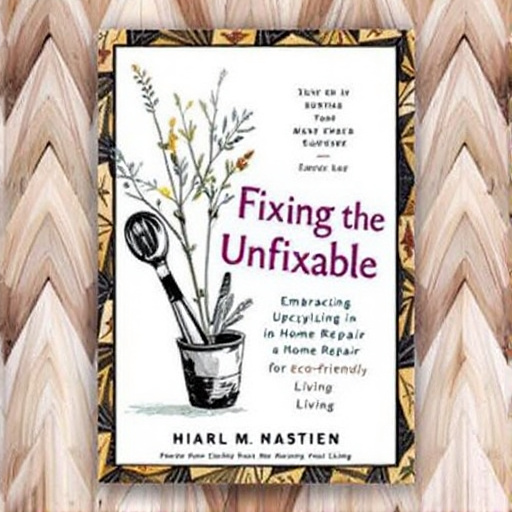
- "Fixing the Unfixable: Embracing Upcycling in Home Repair for Eco-Friendly Living"
- Reinventing DIY: How TikTok Trends Are Shaping the Future of Home Repair and Renovation Culture
- "Repairing the Unseen: DIY Solutions for Weird Home Repair Problems You've Never Considered"
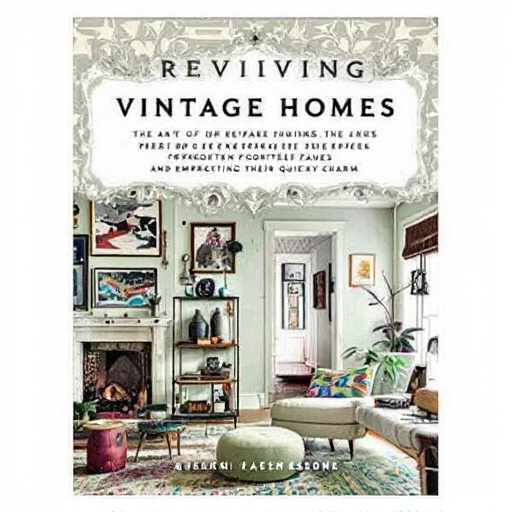
"Reviving Vintage Homes: Unconventional Repair Tips for Quirky Architectural Features"
"Reviving Vintage Homes: Unconventional Repair Tips for Quirky Architectural Features"
Reviving vintage homes with quirky features can be a delightful endeavor filled with unique challenges. From eccentric moldings to whimsical staircase designs, this article offers unconventional tips for preserving and enhancing your home's individual charm while ensuring it remains functional and liveable.
Embrace the Character: The Case for Quirkiness
There’s something undeniably endearing about vintage homes. According to the National Trust for Historic Preservation, about 87% of Americans believe preserving the character of historic neighborhoods is essential for community pride (Saving Places). All that character, though, often comes with its unique set of challenges. When restoring a vintage home, it’s vital to embrace the idiosyncrasies instead of viewing them as obstacles. Take the moldering mantelpieces, the oddly-shaped rooms, or the decidedly non-standard windows—with a bit of creativity, these quirks can become features that add to your home’s story.
Statistics & Restoration: Know Your Investment
Did you know that homes built before 1940 are worth, on average, 12% more than newer homes? This statistic from the National Association of Home Builders is a testament to the enduring love for vintage properties. Investing in the restoration of these structures, with careful thought given to the original architecture, often yields returns that go beyond mere monetary gain; they are investments in culture and history.
Get Crafty: DIY Repairs with a Twist
You might be asking: "Why DIY?" Well, there’s something uniquely satisfying about rolling up your sleeves and breathing new life into a vintage feature, plus it often saves a pretty penny. Consider this: instead of tearing down that rickety old staircase railing, why not paint it a bold color? “Nautical Blue” or “Sunshine Yellow” can make it a standout feature rather than an eyesore. If your vintage home’s charm includes some outdated wallpaper, instead of removing it, consider adding a modern twist by framing sections and making them into art.
When in Doubt, Paint It Out! The Magical Power of Color
A fresh coat of paint can work wonders for any area—rooms, doors, or even your funky vintage kitchen cabinets! Instead of following traditional color palettes, embrace vibrant, unconventional colors that highlight your home's unique features. Research from House Beautiful indicates that homes with bold colors tend to sell faster than those with neutral shades. So grab some brushes and get creative!
The Story of the Flamingo Bathroom
Let’s dive into one particularly inspiring case study—the home of Jane, a 34-year-old artist who transformed her 1960s vintage home in a quirky neighbourhood. Jane’s bathroom was an eyesore with its chipped flamingo wallpaper. Instead of removing it entirely, she opted to accentuate it by adding whimsical flamingo-print shower curtains and quirky accessories. The result? A cohesive and playful space that tells a story and celebrates its past.
Harnessing Social Media for Inspiration
When you’re knee-deep in a restoration project, it’s easy to feel lost or overwhelmed. This is where platforms like Instagram and Pinterest work wonders! Countless influencers and vintage home enthusiasts share their journeys and projects—providing inspiration, how-to guides, and a supportive community. Just typing “vintage home restoration” on Pinterest can yield thousands of ideas that breathe creativity into your project.
Whimsical Windows: Reviving Quirky Designs
Old homes often have windows that add an unusual flair—bay windows, transoms, and even stained glass. Instead of replacing them, consider restoring and highlighting them. For that jaw-dropping stained glass, utilize window film to let in light while emphasizing its color without compromising your privacy. You may find that one small tweak creates an ethereal glow that changes the entire room.
Finding the Right Tools for the Job
Ever avoided a project because you felt unsure about the tools? It happens to the best of us! Think beyond the basic hammer and nails. Invest in a high-quality sander for those intricate moldings, or a wet/dry vacuum to tackle debris that may be lurking from decades past. Your local hardware store staff can also point you in the right direction for tools—and they often enjoy sharing stories about their own DIY adventures!
The Importance of Finding Your Tribe
Renovating a vintage home can feel like an isolating task. This is where community support becomes invaluable. Look for local vintage home restoration groups or online forums. Ask questions, share your struggles, and seek out shared experiences. Whether on Facebook, Reddit, or through local meetups, being part of a community can give you fresh ideas and encouragement.
Be Prepared for Unpredictable Discoveries
Here’s a lighthearted yet cautionary tale for you: when Larry and Tara decided to renovate their 1950s bungalow in suburbia, they were excited, albeit nervous. One afternoon while peeling back layers of wallpaper, they stumbled upon a time capsule tucked away from a previous homeowner—a preserved document of 1950s peace protests! Their home became an anthropological expedition, revealing unexpected stories about its previous occupants. When reviving vintage homes, be prepared to embrace these unique discoveries. They may provide valuable insights or, at the very least, great dinner party stories!
Make Each Space Unique
Instead of opting for uniformity that might starkly contrast your home’s original charm, embrace eclecticism! If you have a quirky space that cannot accommodate a conventional couch, look for vintage stools or even a vintage trunk. Layering old pieces with newer ones often leads to stunning results. Remember, “less is more” may not apply so literally when it comes to vintage homes!
Preservation vs. Restoration: A Balancing Act
When it comes to historical homes, it’s essential to distinguish between preservation and restoration. Preservation keeps what is there intact, while restoration may involve recreating elements that have been lost. A good rule of thumb is to ask yourself: will I be restoring this feature back to its historical value, or just giving it a new life for today’s aesthetics? In many cases, a blend of both can yield delightful results.
Light It Up: Unique Lighting Solutions
Cheap lighting is often the enemy of authenticity and should be treated with caution. Instead of sourcing generic fixtures, consider foraging local flea markets for great finds. Vintage chandeliers can become the main statement piece, and colorful, antique lamps can offer warmth and charm. According to a survey by Lightology, almost 70% of homeowners feel that good lighting enhances the character of their space. So light it up right!
Don’t Skimp on Research
Ignorance and unfamiliarity can lead to the downfall of a stellar renovation project. Dive deep into the internet or your local library for information about the era your home was built in. Understanding historical context equips you with insights to maintain original features and avoid making modifications that could detract from its authenticity.
Work with What You’ve Got
Lastly, one unpredictable element of vintage homes is that they often have a “work in progress” aesthetic—embrace it! If you’ve got an unfinished basement or an attic just collecting dust, think about converting it into quirky functional spaces. A mad-scientist-style workstation? A cozy reading nook? Incentivizing strange spaces can lead to incredible pockets of creativity. In some cases, the organic imperfections can be the very elements that add life to your environment.
The Real Cost of New vs. Vintage
Have you ever crunched numbers and noticed that vintage renovations can sometimes be less expensive than modern builds? While vintage restoration involves costs, consider that new constructions often face inflated market prices and construction costs. The average price for new construction as of 2023 is around $150-$200 per square foot, while preserving a vintage home typically hovers around $100-$150, depending on the condition of the house. Your pocketbook might thank you for investing in vintage charm.
A Lasting Legacy
Restoring and reviving vintage homes is an opportunity to contribute to a legacy that resonates with generations to come. Think about the homes that defined your childhood or the dream home you’ve always aspired to own. In restoring these structures, you become a custodian of history, preserving them for future generations who may one day call these quirky houses ‘home’.
Whether you’re an ardent DIY enthusiast or just dipping your toes into home renovation waters, tackling the charming quirks of vintage architecture is sure to lead to rewarding outcomes. As you revive your vintage home’s unique features, remember to engage positively with the history that surrounds you and embrace the unexpected turns along the way!
Related Articles