Featured Articles
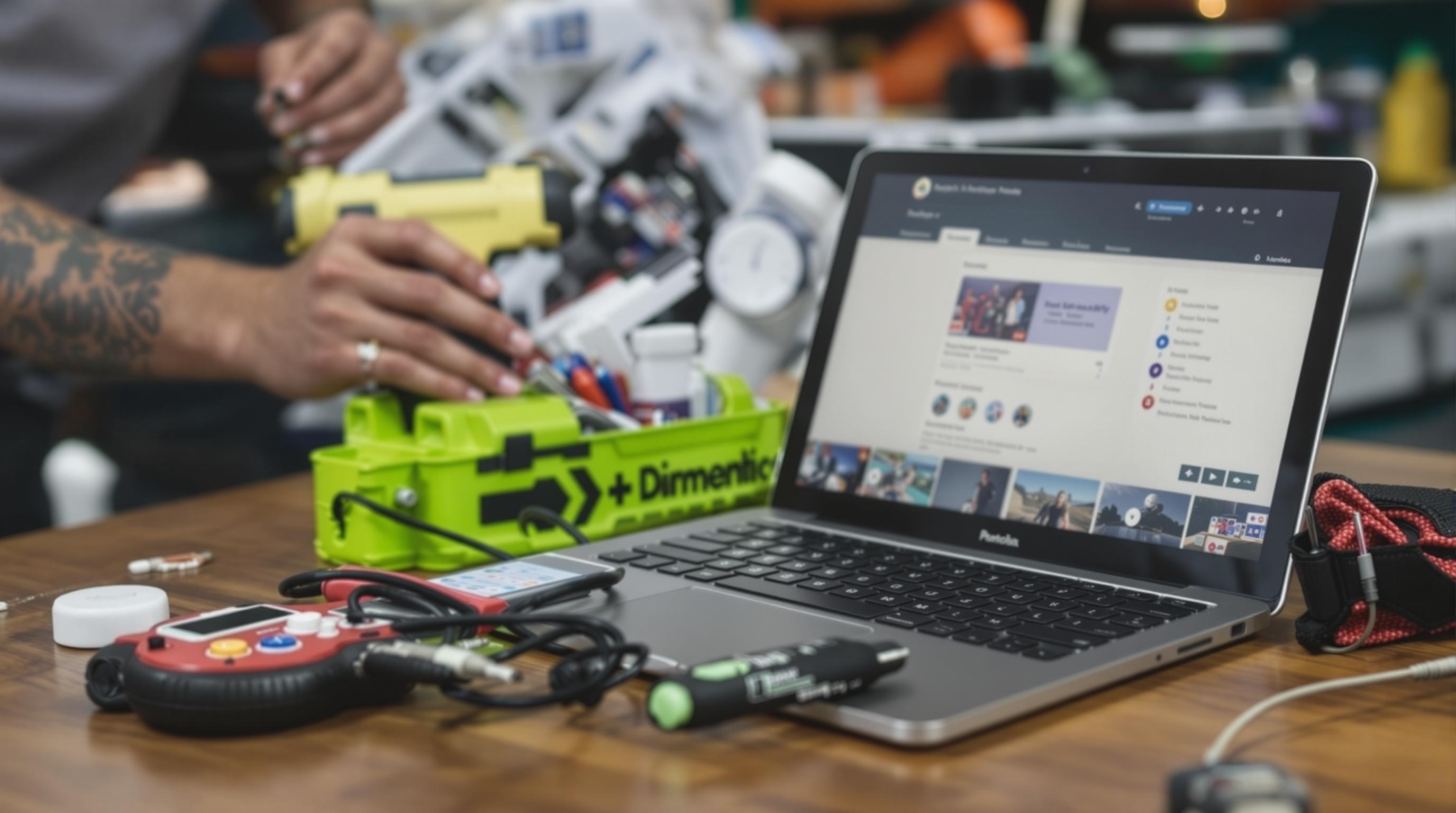
- 12 Essential Tech Tools to Boost Your Home Emergency Preparedness Beyond Basic Supplies
- "Disaster Doodles: How Art Therapy Can Boost Your Family's Emergency Preparedness Mindset"
- "From Whimsical to Practical: The Role of Pet Preparedness in Home Emergency Plans"
- "Prepping for the Unthinkable: How Pet Preparedness Can Save Lives During Home Emergencies"
- "Prepping for the Unthinkable: How Urban Legends Inspire Modern Home Emergency Plans"
12 Essential Tech Tools to Boost Your Home Emergency Preparedness Beyond Basic Supplies
12 Essential Tech Tools to Boost Your Home Emergency Preparedness Beyond Basic Supplies
12 Essential Tech Tools to Boost Your Home Emergency Preparedness Beyond Basic Supplies
1. Smart Smoke and Carbon Monoxide Detectors
Traditional smoke and carbon monoxide detectors are foundational in home safety, but smart versions elevate protection. These devices connect to your smartphone, sending real-time alerts even when you’re away from home. Some models integrate with home automation systems to trigger lights or unlock doors for rapid evacuation.
Advanced sensors can detect multiple types of hazards simultaneously, improving the chances of early warning. The convenience of app integration ensures you’re informed instantly, which can be life-saving during emergencies. According to the National Fire Protection Association, nearly two-thirds of home fire deaths occur in homes with no smoke alarms or non-functioning ones, highlighting the need for reliable technology.
Installing smart detectors can bridge gaps in traditional systems, offering peace of mind through continuous monitoring. They often come with battery backups and self-diagnostics, reducing chances of failure.
2. Portable Power Stations
Power outages are frequent during emergencies and can last from hours to days. Portable power stations provide a reliable backup by storing electrical energy to charge essential devices such as phones, medical equipment, or small appliances. Unlike gasoline generators, these stations operate silently and emit no fumes, making them suitable for indoor use.
These devices typically support multiple output options including AC outlets, USB ports, and 12V DC sockets. Brands like Goal Zero and Jackery offer models capable of powering laptops, refrigerators, and even CPAP machines for hours. Keeping one charged ensures you maintain communication and comfort when the grid fails.
Regular maintenance includes checking battery health and ensuring the unit is fully charged, especially in seasons prone to outages. Pairing these with solar panels can further enhance readiness by enabling off-grid recharge.
3. Emergency Communication Devices
In severe emergencies, cellular networks may become overloaded or damaged. Independent communication tools such as satellite messengers and HAM radios become invaluable. Satellite devices like Garmin inReach allow two-way texting and SOS signals to global emergency centers without relying on local infrastructure.
HAM radios, requiring a license to operate, offer long-range communication capabilities connecting operators worldwide. They can coordinate help, pass important information, and serve as a communication lifeline. FEMA and other agencies endorse the use of HAM radios for disaster communication planning.
Investing time to learn and practice with these communication devices ensures functionality when needed. Pairing them with portable power supplies maximizes uptime during extended emergencies.
4. Water Purification Technology
Contaminated water poses serious health risks in emergencies. While stockpiled bottled water is essential, technology can provide ongoing purification options. Portable water purifiers like SteriPEN use ultraviolet light to kill bacteria, viruses, and protozoa in minutes without chemicals.
Portable filtration systems, such as the LifeStraw, mechanically remove contaminants and particulates. These tools are lightweight and suitable for both emergency home use and evacuation scenarios. The CDC stresses that safe water is one of the most critical resources during disaster recovery.
Incorporating purification technology into your preparedness kit offers flexibility and sustainability beyond bottled water. Regularly replace or maintain filters to ensure optimal performance.
5. Multi-Function Flashlights with Integrated Features
Flashlights are essential, but modern versions include multiple features improving their utility in emergencies. Some units combine bright LED lights with solar panels, hand cranks, and built-in radios or USB charging ports. This consolidates important tools into one device, reducing the burden of carrying multiple items.
Storing a flashlight that never runs out of battery, or can be powered manually, ensures illumination even if power restoration is delayed. NOAA weather band radios integrated in these flashlights help users stay informed on evolving weather and emergency updates without needing a separate device.
Choosing a multi-functional flashlight improves resilience by offering versatile solutions for light, communication, and power in compact form.
6. Home Security and Surveillance Systems
Emergency preparedness extends beyond natural disasters to personal safety threats. Modern home security systems offer smart surveillance with remote monitoring capabilities. Cameras equipped with motion detection and night vision can alert homeowners to intrusions or hazards via smartphone notifications.
Some systems integrate environmental sensors detecting flooding, fire, or gas leaks. These alerts provide critical early warnings allowing timely interventions or evacuation before disasters escalate. Enhancements like two-way audio and alarm systems increase deterrence and enable communication with responders.
Reliable internet or cellular backup enhances the effectiveness of these systems during network interruptions. Services like Ring and Arlo have popularized accessible security tech, empowering homeowners to bolster their safety defenses.
7. Mobile Emergency Alert Apps
Smartphones serve as powerful tools in emergencies when paired with proper software. Apps like FEMA, Red Cross Emergency, and Weather Underground deliver real-time alerts on severe weather, earthquakes, and public safety threats. They often include preparedness tips, checklists, and shelter locators.
Enabling location services allows these apps to tailor warnings to your geographic area, providing relevant and timely information. Push notifications ensure quick attention to unfolding situations without constant monitoring.
Regularly updating and familiarizing yourself with emergency apps improves responsiveness. Pairing multiple apps covers a broad range of hazards, augmenting your situational awareness during crises.
8. Emergency Food Storage Technology
Traditional non-perishable food stockpiles can be enhanced through technology to extend shelf life and improve nutrition retention. Vacuum sealers remove air from packaging, reducing spoilage and insect contamination. Freeze-drying technology preserves meals by removing moisture, keeping food lightweight and shelf-stable for years.
Smart refrigerators with temperature monitoring and alerts help ensure perishable emergency foods remain safe during power outages. Some advanced models offer backup power capability linked to portable power supplies.
Investing in modern preservation and monitoring tech guarantees your emergency food remains consumable and nutritious when needed. Always rotate food stock and check sealed packages for damage.
9. Automated Backup Generators
While portable power stations provide temporary relief, automated standby generators ensure continuous electricity through longer power outages. These units connect directly to your home’s electrical system and fuel supply—usually natural gas or propane—and activate automatically when grid power fails.
Generators from brands like Generac can power critical appliances such as sump pumps, heating systems, and refrigerators without manual intervention. Remote monitoring systems allow owners to check performance and status via smartphone apps, adding convenience and peace of mind.
Proper installation and annual maintenance are essential to safe, reliable operation. Professionals recommend regular testing and fuel inspection to prevent surprises during emergency activation.
10. Smart Home Integration for Emergency Management
Smart home ecosystems centralize control of devices enhancing emergency preparedness. Through hubs like Amazon Alexa or Google Home, users can automate lighting, security, and climate control in response to emergencies. For example, lights can flash to alert of a fire, or smart locks can unlock remotely to enable escape routes.
Integration allows simultaneous activation of multiple safety systems triggered by a single event, offering coordinated responses. These platforms often support custom routines and alerts tailored to individual needs and local risks. However, reliable internet and power sources are necessary to maintain smart home functionality during crises.
Incorporating home automation into preparedness plans leverages technology for proactive safety management. Familiarity with device controls and backup plans ensures effectiveness when it matters most.
Related Articles