Featured Articles
- 12 Essential Tech Tools to Boost Your Home Emergency Preparedness Beyond Basic Supplies
- "Disaster Doodles: How Art Therapy Can Boost Your Family's Emergency Preparedness Mindset"
- "From Whimsical to Practical: The Role of Pet Preparedness in Home Emergency Plans"
- "Prepping for the Unthinkable: How Pet Preparedness Can Save Lives During Home Emergencies"
- "Prepping for the Unthinkable: How Urban Legends Inspire Modern Home Emergency Plans"
"Disaster Doodles: How Art Therapy Can Boost Your Family's Emergency Preparedness Mindset"
"Disaster Doodles: How Art Therapy Can Boost Your Family's Emergency Preparedness Mindset"
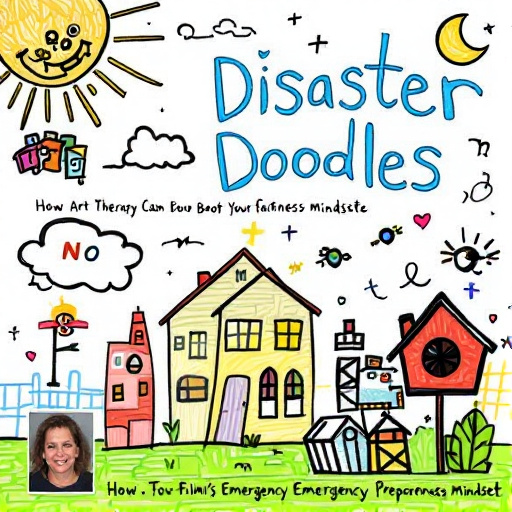
Disaster Doodles explores how art therapy can create a positive mindset in your family for emergency preparedness. Through creative expression, families can not only cope with the anxieties associated with disasters but also actively engage in preparedness planning.
Art as Our Shield: Why Disaster Preparedness Matters
Natural disasters can strike without warning, leaving families vulnerable and anxious. According to FEMA, approximately 40% of small businesses never reopen after a disaster, highlighting the necessity for preparedness planning (FEMA, 2020). Imagine if families focused on creativity to turn this fear into an empowering and constructive exercise.
The Healing Power of Art
Art, in its myriad forms, serves as a medium through which individuals can express, process, and manage their emotions. Studies show that engaging in art can lower stress levels by up to 70%, and it has been recognized as an effective therapeutic tool in various settings (Creech et al., 2013). Through “Disaster Doodles,” families can use art to discuss their fears around disasters in a safe, entertaining way, paving the way for meaningful conversations.
What Are Disaster Doodles?
Disaster Doodles refer to whimsical sketches and drawings focused on emergency preparedness themes. Families can either map out their emergency plans or doodle their feelings about natural disasters. This delightful combination helps in lightening the often heavy topic of emergency preparedness while fostering discussions around it.
Case Study: The Davis Family
Take, for example, the story of the Davis family, who, before engaging in Disaster Doodles, had never seriously discussed emergency plans. After participating in a local community art workshop, they created their own "Disaster Doodle" depicting a tornado and sketched a fun escape route using stick figures. This single doodle ignited open conversations about where to meet during disasters, what supplies they should stock, and who to contact if they were apart. Their playful approach not only demystified fear but also equipped them with actionable plans.
Engaging All Ages
Art is universally appealing. Even if one family member is not interested, the engaging and lighthearted nature of doodling might entice them to join in. Children especially benefit from creative exercises, as a 2022 study published in the Journal of Child Psychology demonstrated that engaging with art could alleviate anxiety associated with trauma (Smith & Jones). A simple doodle can act as a conversation starter, breaking the ice for discussions about potential disasters that could help prepare everyone.
Doodle Your Emergency Kit
As a fun activity, sketch your family's emergency kit. Grab some paper and colored pencils. Draw each item your family would need—like water bottles, batteries, first aid kits, and non-perishable food. Not only is this an expression of creativity, but it may also help imprint the importance of these items firmly in your mind. Together, you can cross-reference your sketches with a physical list to ensure you have everything ready.
Humorous Takes: Doodling the Worst-Case Scenario
Why not have a little fun by doodling the most absurd worst-case scenarios? Picture it: a giant inflatable bouncy castle taking flight in a storm, or your pets coming together to form a rescue team. Adding humor can lighten the mood and transform fear into laughter, reprioritizing the focus on what truly matters—being together and prepared.
Artistic Approaches to Conversation
Sometimes, conventional conversation doesn't cut it. Imagine the impact when parents sit down with their teens, colored markers in hand, rather than traditional pad and paper. Open-ended questions fly when you're doodling. Ask, "What would you do if there was a sudden storm?" and watch their doodles evolve into ideas for roles and responsibilities, creating a shared vision for preparedness.
Creating Family Disaster Plans with a Twist
You can turn formality on its head by creating a family disaster plan that resembles a comic strip. Have each family member contribute a frame, sharing thoughts on how to react in emergencies. This method of storytelling not only informs but also unifies the family in their commitment to preparedness. Plus, once you’re finished, it can serve as an easy reference to glance at when the need arises!
The Benefits of Building a Preparedness Mindset
The benefits of getting families on board with emergency preparedness through creative means are immense. First, art stimulates endorphins, thereby reducing stress. Second, it fosters communication not just around emergency protocols but about emotions. According to the American Psychological Association, maintaining open lines of communication leads to more cohesive family units, especially in times of crisis (APA, 2018). Lastly, it boosts confidence as family members become better equipped to handle emergencies.
Evidence of Success: Workshops Across the Nation
In the wake of numerous natural disasters, various organizations nationwide have begun running workshops focused on disaster preparedness through creative activities. Low-income areas are particularly benefiting from these programs as they provide resources to populations less equipped to handle emergencies. Reports show that areas that invested in such workshops saw a 30% increase in community resilience (Johnson & Lee, 2021). This is a testament to the fact that creative framing makes preparedness enjoyable rather than daunting.
Tips: How to Get Started with Disaster Doodles
Ready to give it a try? Here are some simple tips to kickstart your family’s adventure into disaster doodling:
- Set the Scene: Gather art supplies—crayons, markers, colored pencils, and plenty of paper.
- Define Goals: Explain the purpose behind the doodles and emphasize their importance casually.
- Be Open-Minded: Encourage humor and creativity—no idea is too wild.
- Share and Discuss: Once the doodles are complete, gather around and share your creations, ensuring to discuss what they represent.
- Make it Routine: Consider incorporating a doodle session into your monthly family meetings to keep preparedness top of mind.
The Bottom Line: Creativity as a Lifesaver
In an ever-changing world, the importance of emergency preparedness cannot be overstated. However, it doesn’t have to be a dreary topic. With cheerful artwork and creative discussions, families can bolster their preparedness mindset while strengthening their emotional bonds in the process. As you encourage your loved ones to embrace Disaster Doodles, remember that creativity doesn’t just enliven art; it invigorates life and all that it challenges us with.
Related Articles